Fire wardens seldom obtain headlines, yet they bring the responsibility that identifies whether an emergency ends with an organized evacuation or a preventable misfortune. The country wide acknowledged unit PUAFER005 Operate as part of an emergency control organisation rests at the heart of that capability. It builds functional abilities for wardens in offices of every kind, from healthcare facilities and shopping centres to storage facilities and high-rises. If you combine it with PUAFER006 Lead an emergency control organisation, you cover both the warden and chief warden collections of responsibilities, which is frequently what big centers need to satisfy their fire warden requirements in the workplace.
What follows is an expert's break down of the PUAFER005 course, exactly how qualified training carriers run it, what the assessments look like, and exactly how it dovetails with relevant training like the chief warden course. I will certainly additionally address common inquiries, including fire warden training requirements and also the functional issue of fire warden hat colour and what colour helmet a chief warden endures site.
Where PUAFER005 Suits the Emergency Situation Control Picture
Emergency Control Organisations, or ECOs, exist so that an office can respond to fire, hazardous spills, safety threats, clinical emergency situations, and structure systems failings without shedding precious time. The ECO structure, set out in Australian Standards such as AS 3745 for facilities and AS 4083 for healthcare, appoints particular functions to individuals during an event. PUAFER005 trains personnel to operate as wardens inside that structure. They are the ones examining zones, sweeping floorings, communicating with the chief warden, and guiding owners to assembly areas.
In a common structure, an ECO consists of a chief warden, replacement chief, interactions policeman, flooring or area wardens, and wardens. PUAFER005 covers the warden and area warden functions. PUAFER006 Lead an emergency control organisation covers the management roles, including chief warden responsibilities such as making the phone call to evacuate, communicating with emergency situation services, and working with the overall response.
You will certainly see the device names created in many ways on pamphlets: puafer005 course, puafer005 operate as part of an emergency control organisation, emergency warden course, or just warden training. They refer to the very same proficiency device. Whether you call it a fire warden course or an emergency warden course, the skills focus on one concept: take control of a messy situation and maintain individuals safe.
Learning Outcomes You Need to Expect
Good fire warden training does not drown students in theory. It develops the muscle memory and judgment to act. PUAFER005 learning end results gather around five domain names that mirror what takes place throughout an emergency situation:
Understanding the center and the ECO. Students ought to have the ability to discuss the ECO framework for their website, including who does what, how to intensify choices, and just how to integrate professionals or site visitors. They must identify alarms and advising tones and translate emergency plans, area layouts, stair pressurisation systems, and evacuation paths. When the air is great smoky and the lights are dim, you do not want to read the plan for the first time.
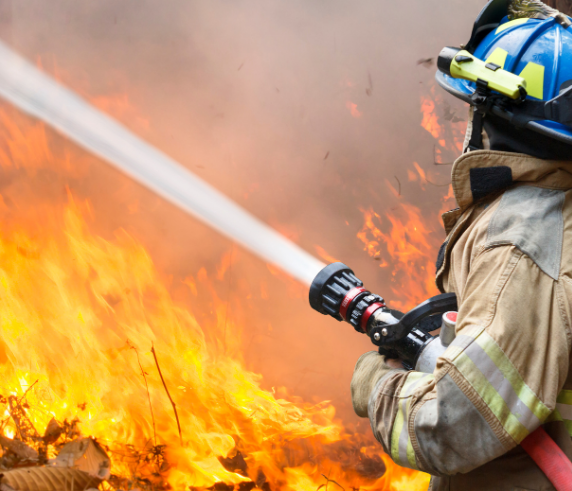
Hazard recognition and very early reaction. Wardens find out to recognize likely emergency situation circumstances for the site, not just fire. In a food manufacturing plant, ammonia leaks may rank more than open fires; in a workplace tower, smoke migration in between floorings can be the hidden danger. PUAFER005 covers very first feedback treatments such as consisting of little fires with the best extinguisher, isolating power sources when safe, and shutting doors to avoid smoke spread. The course additionally clears up when to stop being an initial -responder and become an evacuator.
Communication and decision making. Emergencies seldom unravel neatly. Lifts quit, a warden goes missing, the intercom fails, or a person falls down on the stairs. Wardens must connect clearly with the chief warden, relay condition updates, and choose that fit the plan however adapt to fact. Voice, tone, and brevity issue. Lots of trainees marvel how hard it is to offer a succinct flooring sweep record while alarm systems are sounding.
Evacuation leadership and resident administration. Moving people is a craft. Wardens find out to route crowds, manage canal, assist mobility-impaired passengers, and take care of those who will certainly not comply. They also find out to prioritise tasks such as inspecting rooms, separating hazards, and managing doors. In layered emptyings, they may maintain specific areas in place while clearing others. The subtlety here matters. Ordering a full structure emptying throughout a consisted of kitchen area fire may expose individuals to unnecessary risk in the stairwells.
Post-incident activities. Clearing the last area is not completion. PUAFER005 includes responsibilities after the occasion: roll calls at setting up areas, status records to the chief warden or emergency services, isolations to stop re-ignition, and precise incident paperwork. Good documents save arguments with insurance companies and regulatory authorities later.
I have actually seen these outcomes play out throughout real discharges. One stockroom team had actually practiced their move pattern so completely that they removed a 12,000 square metre location in under 4 mins while still representing a forklift driver with a sprained ankle joint. Another group, trained to stop and really feel doors for heat, prevented opening up a door right into a hot, great smoky workplace that would certainly have attracted fire right into their hallway. The distinction is not luck; it is educated habit.
The Structure of a Solid PUAFER005 Course
While companies differ, the makeup of a solid puafer005 course corresponds. Anticipate a mix of short, focused concept with scenario-driven method in your actual center or a well-simulated setting. Many programs run between 3 and six hours depending upon the site's complexity and whether individuals hold previous warden training.
The classroom segment establishes the baseline. Fitness instructors cover ECO duties, alarm systems, usual emergency kinds, choice methods, and human factors. Great fitness instructors do not avoid the psychology. Individuals freeze, panic, or over-help. The course must clarify just how to snap somebody out of a freeze, just how to stop a prospective hero from coming back a building, and how to provide instructions that stick.
Hands-on elements make the difference. Even a brief functional session with fire extinguishers in a controlled setting modifications behavior. Individuals discover that carbon dioxide extinguishers plume cool fog and lack a stress gauge, that completely dry chemical powder will obscure visibility and develop security clean-up, and that targeting at the base of the fire is not instinctive for a first-timer. If your site has fire indicator panels, wardens should see them, hear the tones, and practice a floor-by-floor sweep under time pressure.
Communication drills are non-negotiable. Practise supplying a 10-second update on a radio: place, condition, action, demand. For instance, "Degree 8 east wing clear, smoke in printer room had, doors closed, proceeding to west wing, no help required." It appears straightforward in a quiet area, less so when alarms are blaring.
Finally, website customisation issues. A healthcare facility emergency warden encounters different choices than a retail warden. In health care, you may rely upon straight emptyings and defend-in-place approaches before relocating clients. In retail, the top priorities consist of isolating back-of-house hallways and assisting the general public who have never ever seen your strategy. The course should reflect the structure's layout, passenger account, and danger register.
Assessment: What Competence Appears Like in Practice
Assessment for PUAFER005 is competency-based, not a memory test. You demonstrate that you can operate as component of an emergency situation control organisation against clear criteria. Assessors usage monitoring, functional circumstances, and quick understanding checks. You can anticipate three kinds of evidence:
Observed efficiency in simulated emergency situations. Assessors watch just how you translate alarms, report to the chief warden, conduct area moves, use devices safely, and handle owners. They note whether you examine spaces systematically, close doors, stay clear of elevators, and keep interaction discipline. They also see your judgment. It is not enough to walk a passage; you require to make safe choices quickly.
Short created or dental concerns. These verify understanding of the ECO framework, rise courses, alarm system tones, and basic legal obligations. Concerns may ask when to utilize an extinguisher versus when to evacuate, just how to support mobility-impaired residents, and exactly how to deal with a missing out on individual report.
Workplace documentation and engagement records. Where possible, service providers connect training to your real Emergency Action Plan. You may be asked to assess or annotate a layout, join for drill participation, or finish a warden checklist utilized in actual incidents. Documentation demonstrates you can equate abilities to your site.
Under assessment conditions, I seek clearness in interaction and consistency in sweeping patterns. If an individual adjustments their move order mid-evacuation, they risk crossing one more warden's course and missing out on a storeroom. I also enjoy just how wardens manage little troubles. A closed fire door is not a dead end; it is a sign to change your course and report the change.
Fire Warden Training Requirements and Frequency
Fire warden training needs are driven by risk and by standards, rather than a strict legislation that fits every structure. A lot of organisations train new wardens when selected and rejuvenate at least annually. Risky websites train more frequently or run quarterly drills to strengthen practices. Regulatory authorities and insurance providers anticipate to see evidence of training, drills, and discovering captured in updates to the Emergency Action Plan.
Chief warden training sits on top. If your center expects someone to take command, liaise with emergency situation services, and manage an intricate emptying, PUAFER006 Lead an emergency control organisation is the suitable system. Numerous carriers offer a combined day that covers both the PUAFER005 course and the PUAFER006 course for teams that consist of wardens and chiefs. This mixed strategy simplifies drill sychronisation and enhances the hand-offs in between roles.
One caution: promote on capability, not title. A tranquil flooring warden who connects crisply may be a far better chief emergency warden than an elderly manager who battles to choose under anxiety. The best chief warden training constructs the calmness and structure to choose, interact, and adapt. The chief fire warden course likewise checks out chief warden responsibilities like managing partial emptyings, coordinating with structure services like HVAC closures, and hosting evacuees to lower stairwell congestion.
Equipment, Identification, and the Colour Question
A remarkably common concern comes up during warden training: what colour helmet does a chief warden wear? Australian practice, influenced by AS 3745 guidance and prevalent convention, makes use of colour to distinguish roles throughout a response. While specific colours can vary by organisation, the common convention runs similar to this: chief warden in white, flooring or location wardens in yellow or red, and communications police officers in a distinct colour such as white with markings or green. In numerous work environments you will see hats or vests rather than difficult helmets. The idea is quick identification, not fashion.
Fire warden hat colour ought to correspond on a site and mirrored in the plan. I have actually gone to drills where 2 groups showed up in red vests identified WARDEN and an additional team showed up in yellow without tags. Residents had no concept whom to follow. Tags, reflective strips, and clear message issue in smoke or low-light conditions. Extra vests stored at the panel or in known cabinets are an economical, high-impact upgrade that pays off when a warden neglects theirs.
Beyond headwear, equipment for wardens commonly includes a whistle, a torch, a small first aid pack, and a radio if provided. Keep it straightforward. Too much equipment slows activity and sidetracks from the job. In noisy plant spaces, a hand signal protocol beats screaming. Practice those signals throughout drills.
Human Variables That Make or Break a Response
If you have actually ever removed a congested stairwell, you recognize treatments only presume. People behave unpredictably under anxiety. The even more your emergency warden training addresses human variables, the smoother your evacuation will go.
Complacency is the first opponent. Owners who have actually lived through dozens of regular alarm systems will delay in doorways, wander back to their workdesks, or choose they have time to grab a coffee. Wardens must project authority without yelling. Short, instruction phrases work: "Leave chief fire warden now, take the stairways, follow me." Prevent disputes. If a person demands finishing a telephone call, placement on your own so the crowd keeps moving around them and entail safety after the event.
Accessibility requires preparation. Mobility-impaired owners may require assistance to reach secure sanctuary points. Do not improvise this on the day. Appoint buddies, verify refuge areas, and method transfers. In structures with emptying chairs, only skilled staff must operate them, and you must practice on a real stairwell. If your site does not have these, construct a defend-in-place plan and coordinate with firefighters on retrieval points.
Noise, heat, and smoke deteriorate judgment. During a genuine smoke event in a workplace tower, one team found that the lovely wayfinding signage vanished right into a haze. The wardens' head lanterns and loud, straightforward commands won. They likewise discovered that propping doors for benefit had actually allowed smoke to spread out faster. Later, the chief warden updated their procedures to emphasise closing doors and inspecting stairwell pressure.
Visitors and contractors complicate matters. A clean roll telephone call depends upon accurate sign-in and sign-out systems. If your site uses numerous entrance points or permits short-term service providers, develop a solitary factor of reality for head counts, preferably easily accessible to the chief fire warden group at the assembly area. Modern technology aids, yet only if wardens recognize who holds the tool and just how to use it.
Drills That Teach Rather Than Tick Boxes
The worth of emergency warden training turns up during drills. Sadly, many drills are scripted to the factor of impracticality. You acquire much more by presenting moderate uncertainty than by running excellent choreography every time.

Rotate circumstances. One quarter, cause an alarm system on a silent floor and test communication. Next off, stage a blocked stairwell and watch just how wardens reroute people. Afterward, replicate an individual declining to evacuate or a clinical emergency mid-evacuation. Debrief promptly and document lessons learned. Over a year, goal to work out all components of the plan, including partial emptyings, after-hours response, and interaction failures.
Mix teams. Do not allow the exact same 3 wardens to lug every drill. Individuals take holidays and change work. Cross-train so each warden can cover nearby areas. Welcome the chief warden and interactions policeman to swap duties in one drill so they appreciate each various other's constraints. That experience pays off when the panel goes down and you move to handheld radios and runners.
Coordinate with facilities administration. A drill is a chance to evaluate mechanical systems. Confirm that dampers close as developed, fire doors closed and lock, and the public address system reaches all areas. The chief fire warden duties include feeding these searchings for back to centers so they can adjust upkeep routines and fix faults.
How PUAFER005 and PUAFER006 Enhance Each Other
Many organisations ask whether every warden must do both PUAFER005 and PUAFER006. The brief answer is no. Train people for the function they will play. If you have a deep bench and desire succession capacity, select a subset of wardens for the chief warden course. Those individuals will certainly recognize the larger image: threat evaluation, partial discharge strategies, inter-agency interaction, and post-incident leadership.
That stated, Click for more pairing the devices in a single training day for combined accomplices can be efficient. Wardens see just how their reports feed the principal's decisions. Chiefs see the obstacles wardens face in hallways and stairwells. Joint drills then strengthen the chain of communication. In my experience, websites that train both levels with each other at least yearly recuperate faster from curveballs, such as an alarm throughout a power outage or a dual occasion like a fire and a lift entrapment.
Evidence and Compliance Without the Paper Mountain
A practical note on compliance. Fire warden requirements in the workplace consist of demonstrating that you have an ECO, training, and a plan, not burying on your own in paperwork. Keep records lean and beneficial:
- An existing Emergency Response Strategy with significant discharge courses, haven factors, and assembly areas, lined up with your building's systems. A register of wardens, primary wardens, and replacements with PUAFER005 and PUAFER006 training dates and refreshers. Drill schedules, short situations, presence, timed end results, and a one-page debrief with actions and owners. Equipment check logs for radios, emptying chairs, and warden kits. A post-incident declare any genuine event, recording timelines, decisions, and rehabilitative actions.
These 5 products satisfy most auditors and, more notably, assist the ECO improve.
Choosing a Training Service provider That Shows, Not Simply Ticks
Not all warden training is equivalent. When picking a service provider for the fire warden course or the chief fire warden course, try to find indicators that they will tailor-make to your site. Ask whether they will certainly stroll your floors and adapt circumstances to your threats. Confirm that they include practical radio drills, barrier monitoring, and human aspects, not simply PowerPoint slides.
Check the trustworthiness of the instructor. Experience with genuine cases shows. A trainer that can tell you why a specific stairwell jammed throughout a drill or how an interaction breakdown brought about a missed area will embed your team's memory. If you are in an intricate setting like a medical facility or a plant, ask for industry-specific instances. PUAFER005 and PUAFER006 set the structure. Lived experience provides the learning.
Finally, ensure analyses are real. You want your ECO to be competent, not simply certified. Service providers must evaluate under practical conditions, document observations, and give particular feedback to people. That comments is how wardens expand from appropriate to excellent.
Edge Instances You Should Plan For
Even extensive training leaves spaces if you have not thought about side situations. Invest a long time as an ECO planning for:
Stairwell blockage during a multi-tenant emptying. If your structure houses a number of organizations, coordinate across occupant lines. Agree on staggered discharge when practical and clarify that controls the stairway doors. Chief warden requirements consist of understanding base-building controls and negotiating those protocols.
After-hours occurrences. Wardens might not exist. Determine whether security or responsibility managers form a skeleton ECO and how they access warden devices. Consider on-call rosters for the chief emergency warden to supply phone guidance up until emergency solutions arrive.
People who will certainly not leave. Some individuals decline. Train wardens to avoid fight. Tape-record the location, intensify to the chief warden, and pass information to emergency solutions. Never ever allow one noncompliant person stall the flow of evacuees.
Concurrent events. A smoke alarm might accompany a lift entrapment or a clinical emergency situation. Chiefs need to prioritise. Life security trumps asset defense. Commonly that suggests passing on a warden to stick with the person while the remainder continue the discharge and paramedics are directed to the proper stairwell.
Neighbouring hazards. In commercial estates, your emergency situation could start following door. Develop outside scenarios into your emergency warden training. Smoke blowing throughout your parking area can create exposure dangers at your assembly area. Identify alternate assembly factors in your plan.
What Success Appears like When It Counts
A successful ECO really feels almost uninteresting from the exterior. Individuals submit out comfortably. Wardens inspect areas, close doors, and report without fuss. The chief warden gets crisp updates and makes basic, prompt decisions. Firemens get here to find a building that is clear, a panel that reveals the right area, and a principal with precise information.
That smoothness is not unintended. It comes from normal, targeted training, from a PUAFER005 course that refined functional abilities, from a chief warden training session that built command presence, and from drills that showed instead of embarrassed. It additionally comes from little details, like clearly labelled vests, working lanterns in warden packages, and a strategy that matches the truth of your building.
If you are establishing or rejuvenating your ECO, start with roles and individuals. Select wardens that know the floors, communicate well, and remain tranquil. Place them with PUAFER005. Select a chief who can determine and lead under pressure, then buy PUAFER006. Shape drills around your risks, not a common script. Keep your records tidy and useful. And the next time an alarm appears for real, you will see the benefit in the way your individuals move and the self-confidence in your group's voices.
Quick Referral: Functions, Training, and Identification
For ease of preparation, here is a small referral that lines up training, regular responsibilities, and identification. Treat it as a starting factor, after that tailor to your site.
- Warden or floor warden: PUAFER005. Duties include area moves, owner direction, regional hazard isolation when safe, and reporting to the chief. Recognition frequently a yellow or red vest or helmet marked WARDEN. Chief warden: PUAFER006. Obligations consist of evaluating info, buying emptyings, collaborating wardens, liaising with emergency situation services, and handling assembly areas. Identification commonly a white vest or helmet marked primary WARDEN. Deputy chief warden: PUAFER006 recommended. Substitute the chief, manages certain areas, supports communications. Recognition similar to chief with DEPUTY marking. Communications policeman: PUAFER005 with site radio training. Takes care of the panel, logs events, communicates guidelines. Recognition generally a distinct vest or significant white. First action group: Site-specific skills in extinguishers and spill control, educated alongside PUAFER005. Identification straightened with role and plan.
Keep the focus on quality and competence. Titles and colours help only insofar as they make it much easier for individuals to follow instructions and for the ECO to work as a solitary unit.